Wellness for Men 40+
Daily habits and nutritional context in the mature years
Understanding Your Wellness Context
Men transitioning into and living in their 40s and beyond experience natural changes in how their bodies function. Rather than viewing these changes as problems requiring solutions, understanding them within a broader wellness context supports informed personal choices.
This section explores general aspects affecting wellness during these years: nutrition, movement, rest, and daily routines. The principle remains consistent: attention to these fundamental areas supports general wellbeing regardless of age.
Nutrition & Nutrient Density
Nutritional needs remain fundamental across all life stages, though specific requirements may shift slightly with age and activity levels. Men in their mature years particularly benefit from nutrient-dense foods that provide more vitamins, minerals, and phytonutrients per calorie.
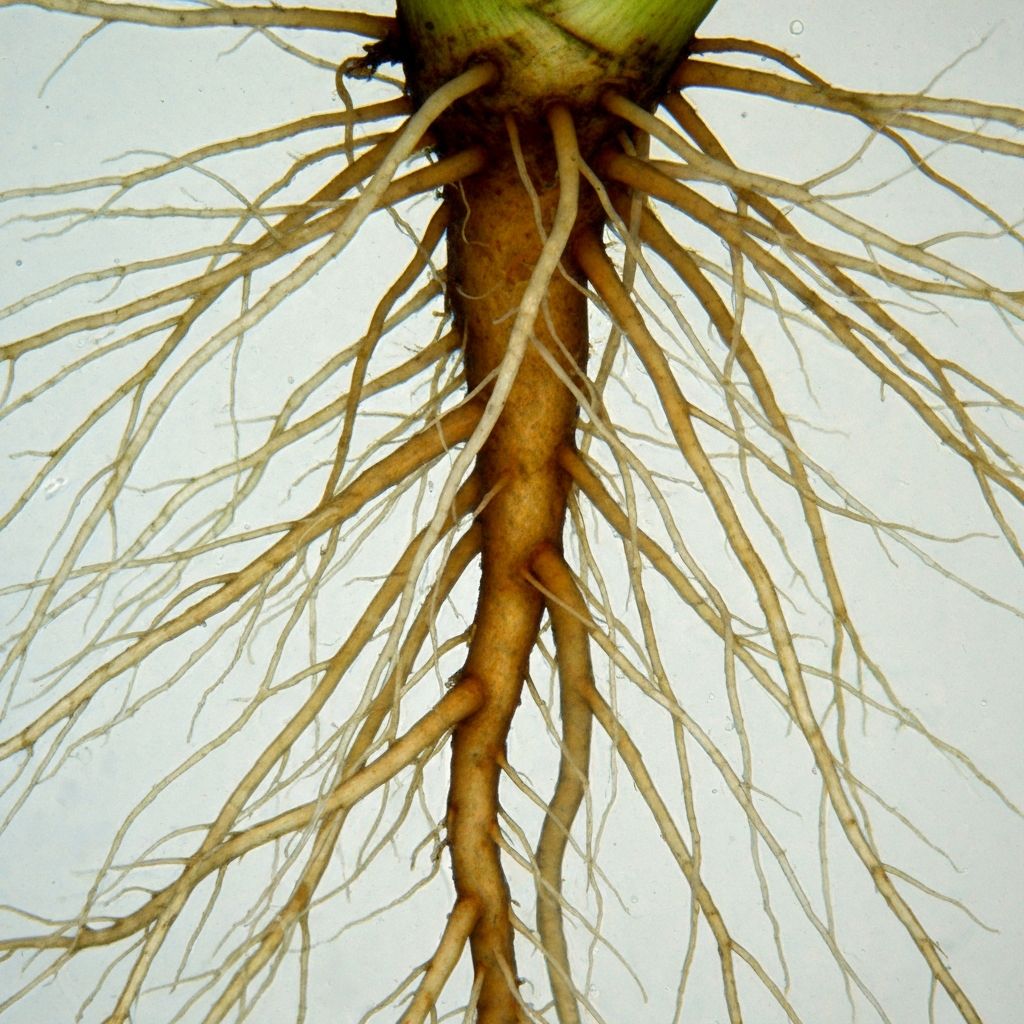
Root vegetables and root-derived foods contribute to this nutritional density. Their natural concentration of minerals, fiber, and bioactive compounds makes them valuable additions to diverse diets. Including varied roots throughout the year supports continuous access to these nutrients.
Beyond specific compounds, the practice of seeking diverse plant-based foods—including roots, leafy greens, whole grains, and legumes—remains the foundation of supportive nutrition.

Movement & Physical Activity

Regular physical activity remains one of the strongest supports for general health across the lifespan. For men in their mature years, movement patterns that combine strength maintenance, cardiovascular activity, and flexibility work provide comprehensive benefits.
Walking represents an accessible foundation for continued movement. Varied terrain—rocky slopes, natural paths, changing elevation—engages more muscle groups than smooth surfaces and builds stabilizer strength.
Resistance training becomes increasingly relevant for maintaining muscle mass naturally lost with age. Combined with cardio and flexibility work, structured movement supports metabolic function, bone density, and overall vitality.
Rest & Sleep Quality
Sleep quality often shifts in the mature years. Men past 40 may notice changes in how quickly they fall asleep, sleep depth, or waking patterns. These shifts reflect natural biological changes but don't require resignation.
Sleep hygiene practices address controllable factors: consistent sleep schedule, cool dark bedroom environment, limiting evening light exposure (especially blue light), and maintaining daytime activity.
Beyond these behavioral factors, managing stress through appropriate techniques—whether meditation, physical activity, or social connection—supports better sleep. Rest cycles remain essential for cognitive function, immune health, and emotional regulation.

Stress Management & Adaptation
Chronic stress negatively impacts multiple physiological systems: hormone balance, immune function, sleep quality, and metabolic regulation. This effect applies universally but may feel more pronounced during mature years.
Addressing stress involves both direct stress-reduction practices and supporting overall resilience through good nutrition, adequate sleep, and regular movement. Individual stress responses vary, requiring personal experimentation to find effective approaches.
For men in their 40s and beyond, establishing sustainable stress management practices becomes increasingly important as cumulative life pressures may intensify.
Hydration & Water Balance
Adequate hydration supports every biological function: temperature regulation, nutrient transport, joint lubrication, cognitive function, and metabolic processes. Thirst sensation often decreases with age, making conscious hydration more important.
General guidance suggests individualized water intake based on activity level, climate, and personal factors rather than rigid "8 glasses daily" rules. Urine color (pale yellow optimal) provides a useful feedback mechanism.
Mineral-rich root infusions contribute to both hydration and nutrient intake, offering a traditional approach to maintaining adequate fluid balance while delivering compounds of interest.
Social Connection & Mental Health
Social relationships and mental health represent crucial components of overall wellness that often receive insufficient attention. Isolation correlates with worse health outcomes across numerous studies, affecting both mental and physical wellbeing.
For men specifically, establishing and maintaining meaningful connections becomes more challenging in later years due to life circumstances. Intentional effort to cultivate friendships, family relationships, and community involvement provides powerful health support.
Mental health conditions—depression, anxiety, sleep disorders—deserve professional attention. They shouldn't be addressed solely through nutrition or supplements but rather through integrated approaches including professional guidance when appropriate.
Lifestyle Integration
Dietary Foundation
Establish a diverse, whole-foods-based diet emphasizing vegetables (including roots), fruits, whole grains, and quality proteins. Root-derived foods complement this foundation without replacing it.
Movement Consistency
Develop sustainable physical activity habits combining varied terrain walking, resistance training, and flexibility work. Consistency matters more than intensity.
Rest & Recovery
Prioritize sleep quantity and quality, manage stress through preferred practices, and allow adequate recovery between physical activities.
Individual Variation Matters
This information represents general principles. Your individual circumstances, health status, genetic factors, and personal preferences require personalized adaptation. A healthcare provider familiar with your situation can help translate these general principles into specific recommendations appropriate for you.
This material is educational only and does not replace professional medical guidance. Consult qualified healthcare professionals before making significant changes to your health practices.